
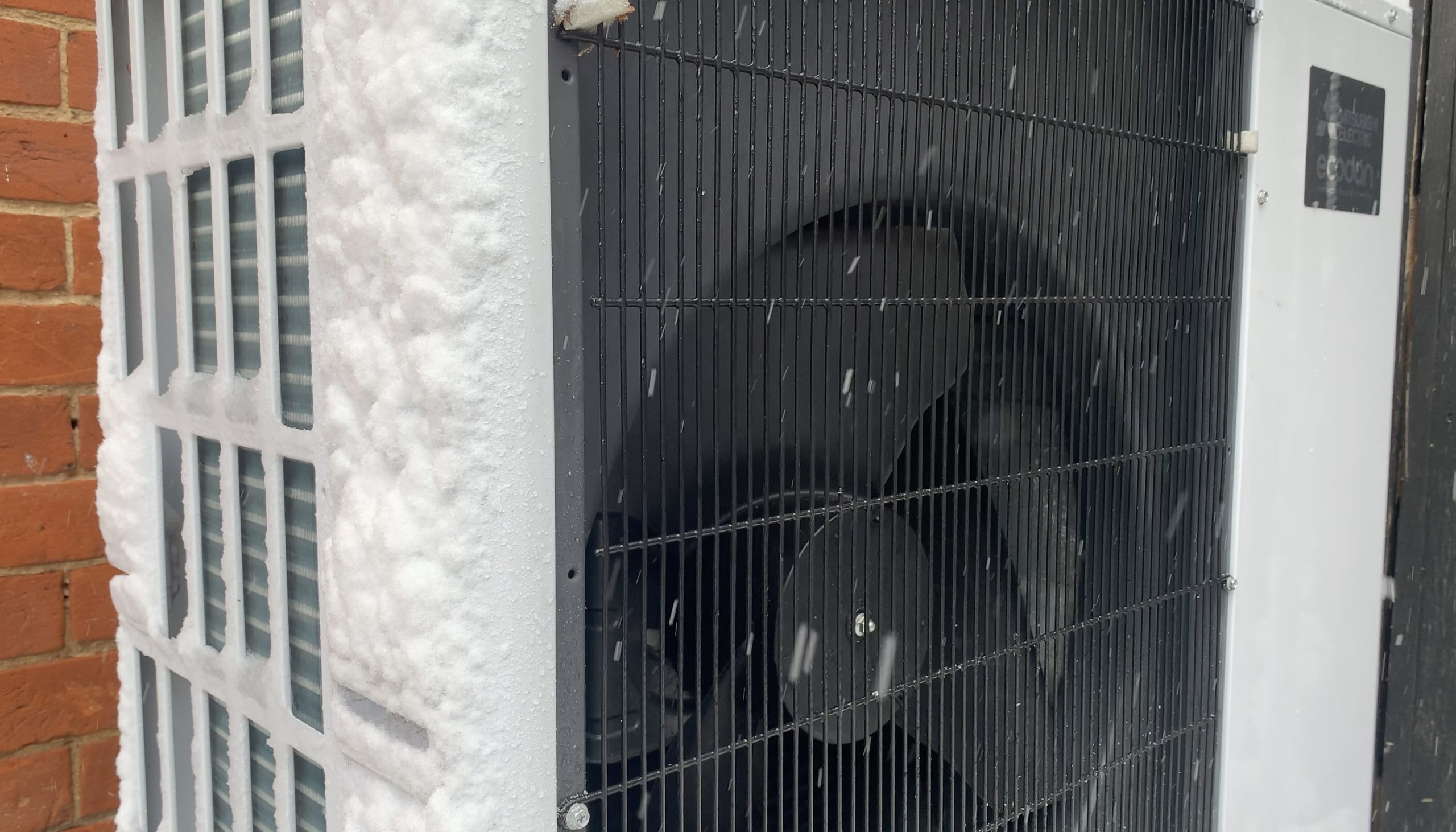
Thinking about heat pump for your Rhode Island home? With the swing seasons and real winters and summers shaping energy bills across the state, plenty of Rhode Island homeowners are running the same numbers. A heat pump heats and cools in one system and is usually the single biggest lever on a home energy bill. In Rhode Island, a typical whole-home air-source heat pump system, installed runs between $7,350 and $17,500 installed — and once it is in, it saves the average household about $815 a year on energy.
Below we break the price down the way a contractor builds a quote — equipment, labor and permits — then cover what moves a Rhode Island quote up or down, which Rhode Island rebates genuinely apply to heat pump right now, and how long the payback honestly takes. Figures were compiled from public sources and updated in October 2026.
Heat Pump Cost in Rhode Island at a Glance
| Item | Typical figure |
|---|---|
| Typical installed cost range | $7,350 – $17,500 |
| Midpoint used in this guide | $12,425 |
| Estimated annual energy savings | $815 |
| Simple payback at the low-end cost | 9.0 years |
| Simple payback at the high-end cost | 21.5 years |
| Expected service life | About 15 years |
What Heat Pump Costs in Rhode Island: Where the Money Goes
A quote looks like one number, but it is really three different purchases bundled together — and they do not behave the same way when you negotiate. The table below splits the midpoint cost of $12,425 for heat pump work into the shares contractors typically build from:
| Cost component | Typical share | At the midpoint |
|---|---|---|
| Equipment & materials | 52% | $6,461 |
| Labor | 40% | $4,970 |
| Permits, inspections & fees | 8% | $994 |
| Total (midpoint) | 100% | $12,425 |
Equipment is the part you can comparison-shop between brands and tiers. Labor is the part that varies most — by city, by season, and by how busy local installers are. Where you land between $7,350 and $17,500 mostly comes down to scope: the low end is a straightforward job with standard equipment and no surprises; the high end is the same project with premium equipment, awkward access, or repair work discovered along the way.
What Moves the Price Up or Down in Rhode Island
Five things explain most of the spread between quotes for heat pump in Rhode Island:
- Electrical panel capacity: many heat pump installs need a panel or circuit upgrade, which can add $500-$2,500. Site problems are paid for in crew hours, and in Rhode Island those hours run about 10% above the national rate — awkward conditions add up faster here.
- System size in tons — a 2-ton system for a small home costs far less than the 4-5 ton systems larger homes need. In Rhode Island that scope question spans the whole heat pump range — a small, simple job sits near $7,350, a large one near $17,500.
- Ductwork condition: reusing sound ducts keeps you near the low end; repairing, resizing or adding ducts adds thousands. Site problems are paid for in crew hours, and in Rhode Island those hours run about 10% above the national rate — awkward conditions add up faster here.
- Cold-climate rating: models rated to hold capacity below 5 deg F cost more up front but protect your savings in northern states. This factor is climate-shaped in Rhode Island: the swing seasons and real winters and summers is why local savings average $815 a year here rather than the $791 averaged across every market we track.
- What it replaces: displacing oil, propane or electric-resistance heat usually means extra electrical work and removing old equipment. Site problems are paid for in crew hours, and in Rhode Island those hours run about 10% above the national rate — awkward conditions add up faster here.
On top of these, Rhode Island labor and permitting costs run above the national average, which is why the same project priced in two states rarely matches. Hold every bid up against this list, line by line — a lump-sum quote hides which of these factors it has priced in.
What to Know in Rhode Island
Installation work in Rhode Island runs about 10% above the national average in the construction-cost data we compile — noticeably above the typical state. That premium is built into the $7,350–$17,500 range above: the identical job priced at national-average rates would come in lower.
Rhode Island has a four-season, mixed climate in our dataset: the swing seasons and real winters and summers are all part of the year. Equipment here has to earn its keep in winter and summer alike, so balanced performance matters more than a single headline efficiency rating.
For heat pump specifically, the typical Rhode Island household saves about $815 a year in our compiled figures — right around the $791 average across every state we track. That gap is mostly climate and energy prices, and it is the single biggest reason payback in Rhode Island differs from the national story.
Rhode Island ranks #13 of the 51 markets we track for heat pump savings in our compiled data — a quick way to see whether this project is a strong saver or a weak one in this state before you weigh it against the quotes. That places Rhode Island in the top third of markets for this project: savings do more of the work here than in most states, so the payback case starts stronger.
On incentives, Rhode Island is one of the states with verified money on the table for heat pump: Rhode Island Energy Heat Pump Rebate and Clean Heat Rhode Island. Amounts and rules are in the rebates section below — and note that several programs need action before installation, so read that section before you sign anything.
A four-season state like Rhode Island is heat-pump country in the classic sense: one system has to heat through real winters and cool through real summers, so balanced ratings on both sides — and correct sizing — matter more than in single-season states.
How Much Can You Save in Rhode Island?
Our compiled estimate for Rhode Island puts typical savings at about $815 per year — roughly $8,150 over ten years and about $12,225 across the expected 15-year life of the equipment, before rebates. Treat it as a planning figure, not a promise: it assumes average usage, average state energy prices, and a correctly sized, correctly installed system.
Where your household lands depends mostly on what you are replacing and how hard you run it. Swapping out an old, inefficient system produces the biggest drops; a lightly used, already-efficient home sees smaller ones. And if energy prices rise faster than average, the savings grow with them — one more reason to treat any payback figure as a range, not a date.
In Rhode Island the figure to plan around is $815 a year. It sits right around the $791 all-market average we track, and that position drives the payback maths below.
Payback in Rhode Island: Three Honest Scenarios
There is no single payback figure for Rhode Island, because the answer moves with the quote and with the household. The table below shows the honest spread instead:
| Scenario | Installed cost | Simple payback |
|---|---|---|
| Lower-cost job | $7,350 | 9.0 years |
| Typical job (midpoint) | $12,425 | 15.2 years |
| Higher-cost job | $17,500 | 21.5 years |
Rebates shorten every row of this table — dramatically in states with large heat pump incentives. Run your own quote through the calculator, using the rebate you realistically expect:
Payback Calculator
Simple payback ignores future energy price rises and maintenance, so treat it as a way to compare quotes against each other, not as a forecast.
Worked example, using this guide’s own Rhode Island figures: a typical Rhode Island home that pays the midpoint $12,425 for whole-home air-source heat pump system, installed and saves $815 a year breaks even in about 15.2 years on energy savings alone — sooner with any rebate the home qualifies for, later if its real bill savings run below average.
Rhode Island Rebates & Incentives for Heat Pump
The Rhode Island programs below were verified for heat pump in our October 2026 check. Amounts are published maximums — most households receive less, and several programs require action before installation, so confirm the rules before you sign anything.
Rhode Island Energy Heat Pump Rebate
Up to $625 per ton standard rebate for qualifying cold-climate heat pumps. Rhode Island Energy customers; equipment must meet ENERGY STAR 6.1 Cold Climate criteria on the qualified list.
Source: Rhode Island Energy — program details checked October 2026. Program page
Clean Heat Rhode Island
Up to an additional $1,000 per ton for qualifying heat pumps, stackable with the Rhode Island Energy rebate. Rhode Island state program administered with Rhode Island Energy; participating contractor requirements apply.
Source: Clean Heat Rhode Island (via CARJON program summary) — program details checked October 2026. Program page
Programs often stack — a utility rebate plus a state incentive on the same project — but stacking rules differ, so ask your installer to confirm the combination in writing. One standing warning for 2026: the old federal energy tax credits (Sections 25C and 25D) ended on December 31, 2025. A quote that still subtracts them is out of date.
When Heat Pump Makes Sense in Rhode Island — and When to Wait
the swing seasons and real winters and summers sets the stage in Rhode Island: it decides how hard the equipment works, how high the bills run, and how fast the savings add up. Start with your situation, not the sales pitch:
It usually makes sense if…
A heat pump makes the most sense when your existing furnace, boiler or AC is 12+ years old, or when you heat with oil, propane or electric baseboards — the fuels a heat pump undercuts most easily. It is also the right call when both heating and cooling need replacing anyway, because one system does both jobs. In moderate and cold climates, choose a cold-climate model sized from a proper load calculation (Manual J), not from the size of the system it replaces. For Rhode Island households, read that against the local stakes: about $815 a year in savings in our figures, on an installed range of $7,350–$17,500.
It can pay to wait if…
Waiting can be smarter if your current system is under 8 years old and running efficiently on low-cost natural gas — the savings may be too thin to justify early replacement. Also wait and weatherize first if your home is very drafty: insulating and air sealing first can let you buy a smaller, cheaper heat pump. Finally, check rebate funding calendars: several state programs step amounts down over time, but a few reset each program year. In Rhode Island, waiting also has a local price: the un-upgraded home keeps missing about $815 a year in savings on our figures while the decision sits.
Frequently Asked Questions
How much does heat pump cost in Rhode Island on average?
Most Rhode Island homeowners pay between $7,350 and $17,500 for whole-home air-source heat pump system, installed, with a midpoint around $12,425. The spread is explained by the factors above — the size of the job, its scope, the equipment tier and site conditions.
Why do quotes for the same project vary so much?
Because no two homes — and no two quotes — describe exactly the same job. One installer prices standard equipment and easy access; another assumes premium gear, extra materials and a longer day on site. Local labor rates differ too, so the same written scope can legitimately produce very different totals. Itemized bids are the only way to see what you are actually paying for.
How much will I actually save each year?
Our compiled estimate for Rhode Island is about $815 a year. The households that gain most are replacing worn-out equipment or paying steep energy prices; tight, low-usage homes gain least. Your installer can sharpen the estimate using a year of your own utility bills.
Are there rebates for heat pump in Rhode Island?
Yes — as of our October 2026 check, Rhode Island Energy Heat Pump Rebate and Clean Heat Rhode Island cover heat pump in Rhode Island. See the rebates section above for amounts and rules, and confirm funding before you sign. One date to remember: the federal 25C/25D credits ended December 31, 2025, and are not part of any current offer.
How long does heat pump take to pay for itself?
At the typical midpoint cost of $12,425 and estimated savings of $815 a year, simple payback is about 15.2 years — as low as 9.0 years on a lower-cost job. Rebates shorten that further, and the equipment is expected to last about 15 years.
How many quotes should I get?
Two or three, itemized, from licensed local installers. Ask each to price the same equipment tier and scope, to state in writing which rebates they will file for you, and to spell out the warranty. The cheapest lump-sum quote is rarely the cheapest finished job.
{“@context”:”https://schema.org”,”@type”:”FAQPage”,”mainEntity”:[{“@type”:”Question”,”name”:”How much does heat pump cost in Rhode Island on average?”,”acceptedAnswer”:{“@type”:”Answer”,”text”:”Most Rhode Island homeowners pay between $7,350 and $17,500 for whole-home air-source heat pump system, installed, with a midpoint around $12,425. The spread is explained by the factors above u2014 the size of the job, its scope, the equipment tier and site conditions.”}},{“@type”:”Question”,”name”:”Why do quotes for the same project vary so much?”,”acceptedAnswer”:{“@type”:”Answer”,”text”:”Because no two homes u2014 and no two quotes u2014 describe exactly the same job. One installer prices standard equipment and easy access; another assumes premium gear, extra materials and a longer day on site. Local labor rates differ too, so the same written scope can legitimately produce very different totals. Itemized bids are the only way to see what you are actually paying for.”}},{“@type”:”Question”,”name”:”How much will I actually save each year?”,”acceptedAnswer”:{“@type”:”Answer”,”text”:”Our compiled estimate for Rhode Island is about $815 a year. The households that gain most are replacing worn-out equipment or paying steep energy prices; tight, low-usage homes gain least. Your installer can sharpen the estimate using a year of your own utility bills.”}},{“@type”:”Question”,”name”:”Are there rebates for heat pump in Rhode Island?”,”acceptedAnswer”:{“@type”:”Answer”,”text”:”Yes u2014 as of our October 2026 check, Rhode Island Energy Heat Pump Rebate and Clean Heat Rhode Island cover heat pump in Rhode Island. See the rebates section above for amounts and rules, and confirm funding before you sign. One date to remember: the federal 25C/25D credits ended December 31, 2025, and are not part of any current offer.”}},{“@type”:”Question”,”name”:”How long does heat pump take to pay for itself?”,”acceptedAnswer”:{“@type”:”Answer”,”text”:”At the typical midpoint cost of $12,425 and estimated savings of $815 a year, simple payback is about 15.2 years u2014 as low as 9.0 years on a lower-cost job. Rebates shorten that further, and the equipment is expected to last about 15 years.”}},{“@type”:”Question”,”name”:”How many quotes should I get?”,”acceptedAnswer”:{“@type”:”Answer”,”text”:”Two or three, itemized, from licensed local installers. Ask each to price the same equipment tier and scope, to state in writing which rebates they will file for you, and to spell out the warranty. The cheapest lump-sum quote is rarely the cheapest finished job.”}}]}
The Bottom Line in Rhode Island
So, for Rhode Island: treat heat pump as a numbers-first decision. Start from the ranges on this page, confirm any rebate in writing before work begins, then collect two or three itemized quotes for the same scope — the installer whose paperwork matches these figures most closely is usually the safest pair of hands.
Keep Exploring
- Heat Pump Cost (2026): National Prices, By-State Guides & Payback — national prices, savings and payback, with a guide for every state.
- Home Project Costs in Rhode Island: 2026 Prices, Savings & Rebates — every project priced for Rhode Island homes, plus the state’s verified rebates.
- Heat Pump Cost in North Dakota (2026 Guide): Prices, Savings & Rebates
- Heat Pump Cost in Massachusetts (2026): Prices, Rebates up to $16,000 & Payback
- Also in Rhode Island: Attic Insulation Cost in Rhode Island (2026 Guide): Prices, Savings & Rebates
Related Cost Guides
We have also published these related guides:
- Attic Insulation Cost in Rhode Island (2026 Guide): Prices, Savings & Rebates
- Heat Pump Cost in North Dakota (2026 Guide): Prices, Savings & Rebates
- Heat Pump Cost in Massachusetts (2026): Prices, Rebates up to $16,000 & Payback
- Heat Pump Cost in Alaska (2026 Guide): Prices, Savings & Rebates
Data compiled from public sources (see Sources) and refreshed in October 2026. Prices move locally — confirm with 2–3 written estimates before deciding.