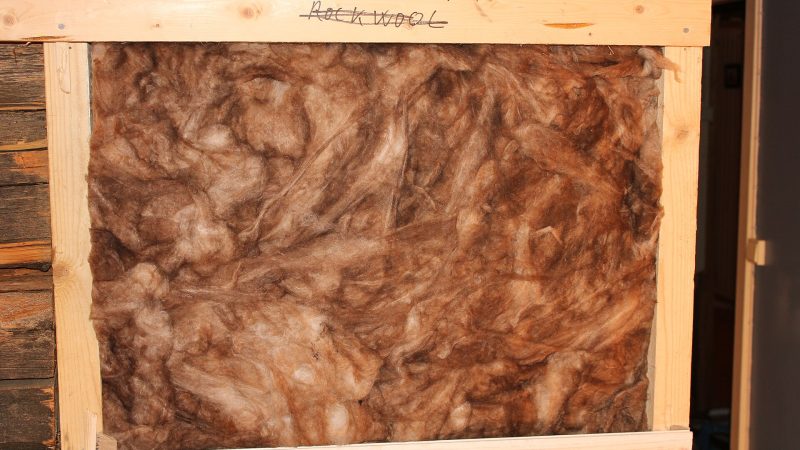

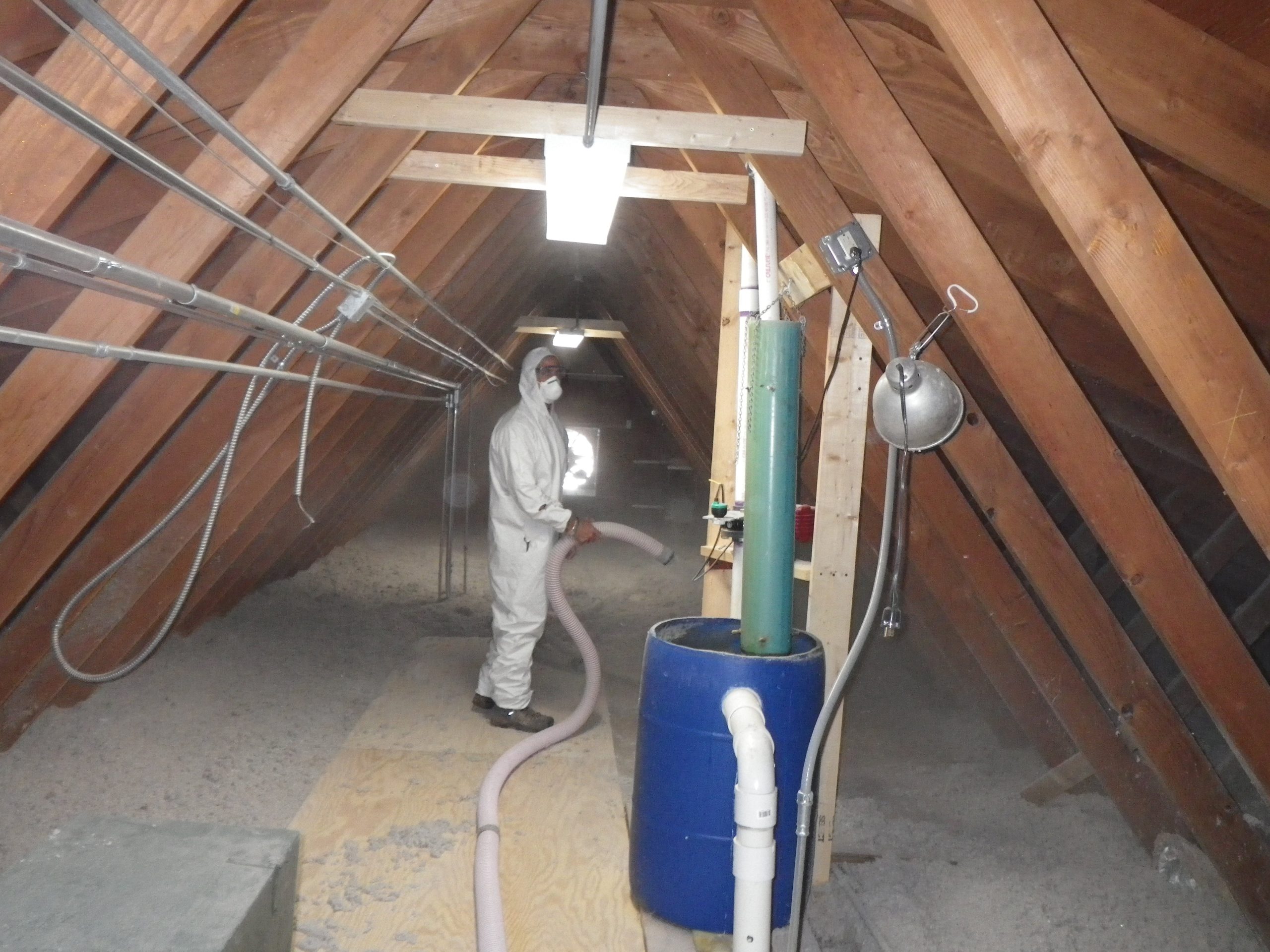
Thinking about attic insulation for your Minnesota home? With the long heating season shaping energy bills across the state, plenty of Minnesota homeowners are running the same numbers. Attic insulation is the cheapest upgrade on this list and quietly cuts both heating and cooling costs for decades. In Minnesota, a typical attic insulation blown in to the recommended R-value (about 1,200 sq ft of attic) runs between $1,500 and $3,400 installed — and once it is in, it saves the average household about $450 a year on energy.
Below we break the price down the way a contractor builds a quote — equipment, labor and permits — then cover what moves a Minnesota quote up or down, which Minnesota rebates genuinely apply to attic insulation right now, and how long the payback honestly takes. Figures were compiled from public sources and updated in October 2026.
Attic Insulation Cost in Minnesota at a Glance
| Item | Typical figure |
|---|---|
| Typical installed cost range | $1,500 – $3,400 |
| Midpoint used in this guide | $2,450 |
| Estimated annual energy savings | $450 |
| Simple payback at the low-end cost | 3.3 years |
| Simple payback at the high-end cost | 7.6 years |
| Expected service life | About 30 years |
What Attic Insulation Costs in Minnesota: Where the Money Goes
A contractor quote bundles everything into one number, but the parts behave differently — and knowing the split tells you where a high quote can be negotiated and where it cannot. This table divides the midpoint cost of $2,450 using the typical shares for attic insulation work:
| Cost component | Typical share | At the midpoint |
|---|---|---|
| Equipment & materials | 45% | $1,103 |
| Labor | 50% | $1,225 |
| Permits, inspections & fees | 5% | $122 |
| Total (midpoint) | 100% | $2,450 |
Equipment is the part you can comparison-shop between brands and tiers. Labor is the part that varies most — by city, by season, and by how busy local installers are. Where you land between $1,500 and $3,400 mostly comes down to scope: the low end is a straightforward job with standard equipment and no surprises; the high end is the same project with premium equipment, awkward access, or repair work discovered along the way.
What Moves the Price Up or Down in Minnesota
Five things explain most of the spread between quotes for attic insulation in Minnesota:
- Existing insulation: topping up sound insulation is cheap; removing wet, moldy or pest-damaged material adds $1-$2 per sq ft. In Minnesota, the crew hours this factor can add are priced near the national average — neither the bargain nor the shock it is in the cheapest and priciest states.
- Air sealing: sealing top plates, can lights and penetrations first ($250-$750) is what makes the insulation perform as rated. For Minnesota quotes, the standard case for this factor sits between $1,500 and $3,400 around the $2,450 midpoint; better or worse than standard moves the total toward the ends of that range.
- Access: low-slope roofs, floored-over attics and tight trusses slow crews down and raise labor. In Minnesota, the crew hours this factor can add are priced near the national average — neither the bargain nor the shock it is in the cheapest and priciest states.
- Attic size and target R-value: colder states are advised to reach R-49 to R-60, which simply takes more material than the R-38 common in the South. This factor is climate-shaped in Minnesota: the long heating season is why local savings average $450 a year here rather than the $439 averaged across every market we track.
- Material choice: blown-in fiberglass and cellulose are the budget options; spray foam costs several times more per square foot. In Minnesota that scope question spans the whole attic insulation range — a small, simple job sits near $1,500, a large one near $3,400.
On top of these, Minnesota labor and permitting costs run about in line with the national average, which is why the same project priced in two states rarely matches. It is also why itemized quotes matter: line by line, you can see which of the items above a bid is actually charging for.

What to Know in Minnesota
On cost level, Minnesota is a middle-of-the-country market: installation prices land within a few percent of the national average, so the range above needs no state premium or discount to explain it. What moves a quote here is the home, the scope and the installer — not the state line.
Minnesota is one of the cold-climate states in our dataset, where the long heating season dominates the calendar and heating demand runs high for much of the year. Projects here are judged first on how they perform in deep winter, not on annual averages — an undersized system or a sloppy installation shows up in the bills within one season.
For attic insulation specifically, the typical Minnesota household saves about $450 a year in our compiled figures — right around the $439 average across every state we track. That gap is mostly climate and energy prices, and it is the single biggest reason payback in Minnesota differs from the national story.
Minnesota ranks #8 of the 51 markets we track for attic insulation savings in our compiled data — a quick way to see whether this project is a strong saver or a weak one in this state before you weigh it against the quotes. That places Minnesota in the top third of markets for this project: savings do more of the work here than in most states, so the payback case starts stronger.
There is no verified statewide rebate for attic insulation in Minnesota — but the state is not an incentive desert: it runs verified programs for other upgrades (for example, Xcel Energy Minnesota Heat Pump Rebate). The rebates section below explains where Minnesota homeowners should still look before ruling incentives out.
The local problem in cold-climate states like Minnesota is heat escaping upward: it inflates the heating bill all winter and melts roof snow unevenly, which is how ice dams form at the eaves and work water under the shingles. Attic air sealing plus insulation depth is the direct fix — and why this project punches above its price here.
How Much Can You Save in Minnesota?
Our compiled estimate for Minnesota puts typical savings at about $450 per year — roughly $4,500 over ten years and about $13,500 across the expected 30-year life of the equipment, before rebates. Read it as the middle of the range rather than a guarantee: it assumes average usage, average state energy prices, and a correctly sized, correctly installed system.
Where your household lands depends mostly on what you are replacing and how hard you run it. Swapping out an old, inefficient system produces the biggest drops; a lightly used, already-efficient home sees smaller ones. And if energy prices rise faster than average, the savings grow with them — one more reason to treat any payback figure as a range, not a date.
In Minnesota the figure to plan around is $450 a year. It sits right around the $439 all-market average we track, and that position drives the payback maths below.
Payback in Minnesota: Three Honest Scenarios
There is no single payback figure for Minnesota, because the answer moves with the quote and with the household. The table below shows the honest spread instead:
| Scenario | Installed cost | Simple payback |
|---|---|---|
| Lower-cost job | $1,500 | 3.3 years |
| Typical job (midpoint) | $2,450 | 5.4 years |
| Higher-cost job | $3,400 | 7.6 years |
Rebates shorten every row of this table — dramatically in states with large heat pump incentives. Run your own quote through the calculator, using the rebate you realistically expect:
Payback Calculator
Simple payback also ignores maintenance and future energy prices, so use it to compare quotes against each other — not as a prediction of your bills.
Worked example, using this guide’s own Minnesota figures: a typical Minnesota home that pays the midpoint $2,450 for attic insulation blown in to the recommended R-value (about 1,200 sq ft of attic) and saves $450 a year breaks even in about 5.4 years on energy savings alone — sooner with any rebate the home qualifies for, later if its real bill savings run below average.
Minnesota Rebates & Incentives for Attic Insulation
Our October 2026 check found no major statewide rebate program in Minnesota that covers attic insulation — but that is not the end of the story. Many Minnesota utilities and some cities run smaller or seasonal incentives that open and close during the year. Check your utility’s rebate page, and ask each contractor what they can claim for you, before you sign. One more caution: the federal Sections 25C/25D energy tax credits ended on December 31, 2025 — a quote that still counts them is working from an old playbook.
When Attic Insulation Makes Sense in Minnesota — and When to Wait
Because of the long heating season, Minnesota homeowners tend to feel both the costs and the savings of this upgrade a little more than the national averages suggest. Start with your situation, not the sales pitch:
It usually makes sense if…
Attic insulation makes sense in almost every home with less than about 10 inches of existing attic insulation — it is the cheapest comfort upgrade there is and it works in every climate. It makes particular sense before replacing heating or cooling equipment, because a tighter attic can let you buy a smaller system. If your upstairs rooms are noticeably hotter in summer or colder in winter than the ground floor, the attic is the first place to look. In Minnesota those conditions meet local numbers — roughly $450 a year in savings against $1,500–$3,400 installed — which is what tips the decision for most homes here.
It can pay to wait if…
There are few reasons to wait, but do fix roof leaks and any moisture or pest problems first — insulating over a wet attic traps the problem. If you are planning a major remodel that will open the ceiling or rewire the attic (recessed lights, new circuits), do that work first, then insulate once at the end. In Minnesota, waiting also has a local price: the un-upgraded home keeps missing about $450 a year in savings on our figures while the decision sits.

Frequently Asked Questions
How much does attic insulation cost in Minnesota on average?
Most Minnesota homeowners pay between $1,500 and $3,400 for attic insulation blown in to the recommended R-value (about 1,200 sq ft of attic), with a midpoint around $2,450. Where a quote lands inside that range comes down to the factors above: size, scope, equipment tier and whatever the installer finds on site.
Why do quotes for the same project vary so much?
A quote is a bundle of assumptions: equipment tier, materials, crew time, access, disposal, permits and warranty. Change any two of them and the total moves by thousands. Installers also price their own risk, so awkward sites and uncertain existing conditions get padded. Comparing itemized quotes line by line shows whether a higher bid is buying more, or just charging more.
How much will I actually save each year?
Our compiled estimate for Minnesota is about $450 a year. Homes replacing old, inefficient equipment — or paying high energy prices — save the most; small, already-efficient homes save the least. For a tighter figure, an installer can model your last 12 months of utility bills.
Are there rebates for attic insulation in Minnesota?
We found no major statewide program covering attic insulation in Minnesota in our October 2026 check, but local utility offers change often — check with your utility and your contractor. One date to remember: the federal 25C/25D credits ended December 31, 2025, and are not part of any current offer.
How long does attic insulation take to pay for itself?
At the typical midpoint cost of $2,450 and estimated savings of $450 a year, simple payback is about 5.4 years — as low as 3.3 years on a lower-cost job. Any rebate you claim pulls that in further, and the equipment should keep working for roughly 30 years.
How many quotes should I get?
Three is the sweet spot for most projects: enough bids to spot an outlier, few enough to compare properly. Keep the scope identical across bids — same equipment tier, same warranty — and ask each installer which rebates they will handle for you. A mid-priced, fully itemized quote usually beats a cheap lump sum once the work starts.
{“@context”:”https://schema.org”,”@type”:”FAQPage”,”mainEntity”:[{“@type”:”Question”,”name”:”How much does attic insulation cost in Minnesota on average?”,”acceptedAnswer”:{“@type”:”Answer”,”text”:”Most Minnesota homeowners pay between $1,500 and $3,400 for attic insulation blown in to the recommended R-value (about 1,200 sq ft of attic), with a midpoint around $2,450. Where a quote lands inside that range comes down to the factors above: size, scope, equipment tier and whatever the installer finds on site.”}},{“@type”:”Question”,”name”:”Why do quotes for the same project vary so much?”,”acceptedAnswer”:{“@type”:”Answer”,”text”:”A quote is a bundle of assumptions: equipment tier, materials, crew time, access, disposal, permits and warranty. Change any two of them and the total moves by thousands. Installers also price their own risk, so awkward sites and uncertain existing conditions get padded. Comparing itemized quotes line by line shows whether a higher bid is buying more, or just charging more.”}},{“@type”:”Question”,”name”:”How much will I actually save each year?”,”acceptedAnswer”:{“@type”:”Answer”,”text”:”Our compiled estimate for Minnesota is about $450 a year. Homes replacing old, inefficient equipment u2014 or paying high energy prices u2014 save the most; small, already-efficient homes save the least. For a tighter figure, an installer can model your last 12 months of utility bills.”}},{“@type”:”Question”,”name”:”Are there rebates for attic insulation in Minnesota?”,”acceptedAnswer”:{“@type”:”Answer”,”text”:”We found no major statewide program covering attic insulation in Minnesota in our October 2026 check, but local utility offers change often u2014 check with your utility and your contractor. One date to remember: the federal 25C/25D credits ended December 31, 2025, and are not part of any current offer.”}},{“@type”:”Question”,”name”:”How long does attic insulation take to pay for itself?”,”acceptedAnswer”:{“@type”:”Answer”,”text”:”At the typical midpoint cost of $2,450 and estimated savings of $450 a year, simple payback is about 5.4 years u2014 as low as 3.3 years on a lower-cost job. Any rebate you claim pulls that in further, and the equipment should keep working for roughly 30 years.”}},{“@type”:”Question”,”name”:”How many quotes should I get?”,”acceptedAnswer”:{“@type”:”Answer”,”text”:”Three is the sweet spot for most projects: enough bids to spot an outlier, few enough to compare properly. Keep the scope identical across bids u2014 same equipment tier, same warranty u2014 and ask each installer which rebates they will handle for you. A mid-priced, fully itemized quote usually beats a cheap lump sum once the work starts.”}}]}
The Bottom Line in Minnesota
Bottom line for Minnesota: attic insulation is a numbers decision, and you now have the local ones — the installed range, the savings estimate and the honest payback. Use them in this order: confirm any rebate in writing before installation, collect two or three itemized quotes against the same scope, and pick the installer whose written quote lands closest to the range on this page.
Keep Exploring
- Attic Insulation Cost (2026): National Prices, By-State Guides & Payback — national prices, savings and payback, with a guide for every state.
- Home Project Costs in Minnesota: 2026 Prices, Savings & Rebates — every project priced for Minnesota homes, plus the state’s verified rebates.
- Attic Insulation Cost in West Virginia (2026 Guide): Prices, Savings & Rebates
- Attic Insulation Cost in New York (2026): Prices, Rebates up to $14,000 & Payback
Related Cost Guides
We have also published these related guides:
- Attic Insulation Cost in West Virginia (2026 Guide): Prices, Savings & Rebates
- Attic Insulation Cost in New York (2026): Prices, Rebates up to $14,000 & Payback
- Attic Insulation Cost in Montana (2026 Guide): Prices, Savings & Rebates
- Attic Insulation Cost in Idaho (2026 Guide): Prices, Savings & Rebates
Data compiled from public sources (see Sources) and refreshed in October 2026. Prices move locally — confirm with 2–3 written estimates before deciding.